Spend any time in the fitness world and you’ll quickly notice people love to argue about the “best” way to train.
Is running the ultimate test of fitness?
Is lifting weights the real foundation of strength?
Is calisthenics superior because it builds control over your own body?
More recently the debate has expanded again. Hybrid training, fitness racing, obstacle course events and competitions like Hyrox have created a new generation of athletes who combine multiple disciplines.
So what actually is the best way to train?
The honest answer is that each style of training develops a different quality in the body. Understanding what each one does well makes it easier to decide where your focus should be.
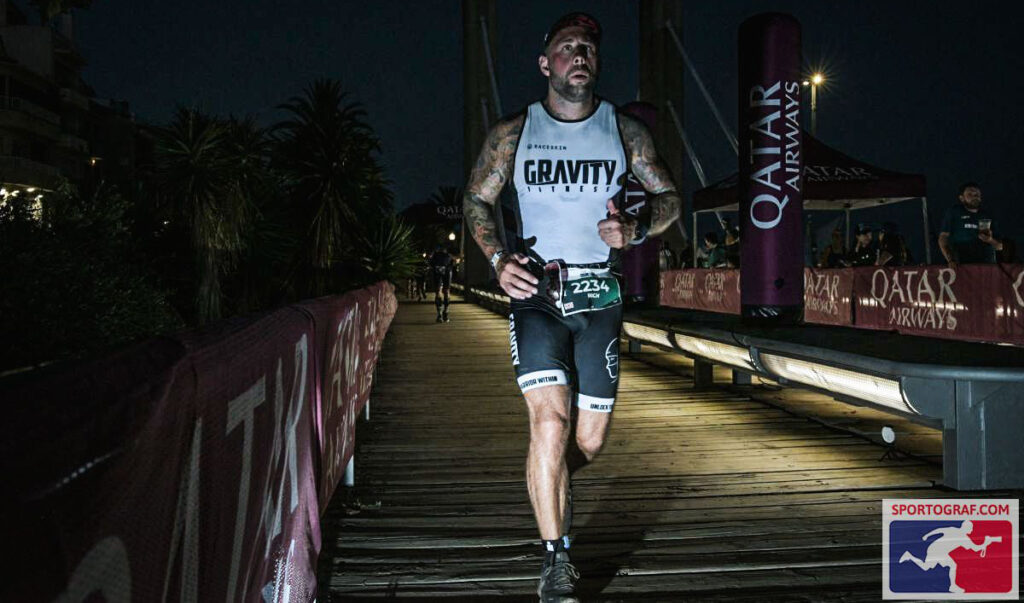
Running for Fitness and Endurance
Running remains one of the most effective and accessible ways to improve cardiovascular fitness. It strengthens the heart, improves lung capacity and builds endurance over time. Regular running can improve aerobic capacity, increase energy expenditure and develop mental resilience.
Because it requires minimal equipment and can be done almost anywhere, running has become one of the most widely practiced forms of exercise in the world. It is also highly scalable, from short recreational runs to marathon and ultra-distance events.
Weightlifting and Bodybuilding for strength
Weightlifting and bodybuilding focus on building strength, muscle mass and structural resilience. Resistance training increases bone density, improves joint stability and helps maintain muscle as we age.
Strength training also plays a major role in metabolic health. Increased muscle mass improves insulin sensitivity and supports a higher resting metabolic rate. Stronger muscles and connective tissues help protect the body from injury and support everyday movement.
For many people, weight training forms the physical foundation that supports other athletic activities.
Calisthenics for Bodyweight Strength and Control
Calisthenics approaches strength from a different direction. Instead of lifting external weight, athletes develop strength by controlling their own body through movements such as pull ups, dips, levers and handstands.
This style of training develops relative strength, coordination and mobility. It also encourages movement efficiency and joint control. Many athletes are drawn to calisthenics because it creates strength that feels practical and transferable to real-world movement.
Hybrid Training, Hyrox and Fitness Racing
In recent years hybrid training has become increasingly popular. Events like Hyrox, obstacle racing and other fitness competitions combine endurance with functional strength challenges.
Athletes in these events may run, row, push sleds, carry weights or perform bodyweight exercises within the same race. The goal is not just strength or endurance, but the ability to sustain performance across multiple physical demands.
This approach reflects a growing trend in fitness toward well-rounded athletic capability rather than specialising in a single discipline.
So What’s the Best Way to Train?
Here is the reality that most debates miss.
You get good at what you practise.
If you spend years running, you will become a better endurance athlete.
If you dedicate your training to lifting weights, you will build strength and muscle.
If you train calisthenics consistently, you will develop impressive control over your body.
None of these methods are objectively better than the others. They are simply different tools that develop different qualities.
Many of the best athletes today train across multiple disciplines. Endurance runners include strength work to reduce injury risk. Weightlifters add conditioning to improve work capacity. Hybrid athletes blend strength, endurance and mobility into a single training system.
The real goal is not choosing a side in a fitness argument. It is building a body that can perform well across the challenges you care about.
How to Choose the Right Training Style
A simple way to decide where to focus your training is to ask yourself three questions.
What is my current goal?
Are you trying to build strength, improve endurance, lose fat, compete in an event or simply maintain general health?
What training do I actually enjoy doing?
Enjoyment is one of the strongest predictors of long term exercise adherence. The training you enjoy is the training you are most likely to do consistently.
What fits my life right now?
Your schedule, responsibilities and available time all influence what training style is realistic. The best program is one that fits into your life rather than constantly fighting against it.
The Real Goal of Training
The biggest mistake people make is treating fitness like a short-term project.
Someone might push themselves hard in their twenties, specialise in a single discipline and reach a peak level of performance. But if that training style no longer fits their life later on, they often stop completely.
Being extremely fit at twenty-five but out of shape by forty is not a long-term success.
The real goal is to build a body that stays strong, capable and healthy for decades.
That means choosing training that you enjoy, adapting your focus as your goals change, and staying consistent over the long term.
Because the best training method is not the one that wins an argument online.
The best training method is the one that keeps you moving, improving and staying capable for life.

 May 14, 2026